Read the wage correctly. Plumbers, pipefitters, and steamfitters, combined national occupational group A national median is not an entry-level wage, a local quote or a guarantee of earnings.
“Plumbing” can mean different career paths to different applicants. Before you enroll anywhere, decide whether you want to investigate household service work, new construction, or industrial piping. You do not need to choose a lifelong specialty immediately. You do need enough clarity to ask whether a program leads toward the jobs available in your area.
What the national numbers actually describe
BLS groups plumbers, pipefitters, and steamfitters together. For that combined occupation, it reports $63,800 median annual pay in May 2025 and projects 7% employment growth from 2025 to 2035. Apprenticeships commonly take four or five years. Most states require plumbers to be licensed. Do not present the combined national median as a guaranteed residential-plumber starting salary. See the BLS occupational profile.
Start with a local job map
Build a small shortlist of employers you could realistically reach. Divide it into service companies, construction contractors, and industrial employers where applicable. Read their entry-level advertisements and record what they call the role: helper, trainee, apprentice, or another title. Those words are useful search terms, but they are not enough to establish what training or recognition a job includes.
Ask each contact what a new worker does during the first few months and how supervision works. Add questions about travel, the reporting location, driving expectations, and emergency or weekend availability. Compare those answers with your own practical limits. A route that looks attractive on salary alone may be difficult if you cannot reach changing jobsites.
Investigate paid training before choosing a school
Use Apprenticeship.gov to look for opportunities and contact the sponsor about the next application window. Request the program name and confirmation of its registration where a provider describes it as a Registered Apprenticeship. Ask how classroom learning fits around employment and how progress is assessed.
If school is one of your options, give the admissions team the job titles you found locally. Ask which employers recruit from that exact program and what evidence supports the answer. A useful comparison connects a named course to a named type of opportunity; “excellent industry connections” is too vague to put in your decision worksheet.
Check the route to the credential you actually need
Locate the official licensing authority for your intended work location. Explain whether you plan to be a supervised employee or eventually operate a business. Ask about the appropriate worker classification, accepted experience, examination eligibility, and any trainee registration. If a rule refers to an approved school or sponsor, confirm the particular provider rather than assuming all courses qualify.
Create a record-keeping plan before your first job. Ask which documents the authority expects and who signs them. Keep your own copies of employment dates, training records, and any official determinations. This is an administrative habit, not a substitute for meeting the rules, but it can prevent avoidable confusion later.
Compare the full cost of getting started
Make a worksheet for application charges, tuition, books, tools, protective equipment, transport, examinations, and other costs you have actually confirmed. Mark items that an employer supplies and items you would own. Ask when each charge becomes payable and whether a refund is available if your start date changes.
Include work scheduling in the comparison. Can you keep an existing job during selection? Would classes require a different childcare arrangement? How would you manage the period before your first paycheck? Use the written starting wage from a real offer when you test affordability, rather than the national occupational median or a school's best graduate example.
Use an interview to test your assumptions
Prepare three questions for a working plumber or employer: What do applicants misunderstand about the job? Which beginner skills make training easier? What would make you reject a training program? Treat one person's answer as a perspective to compare, not a rule for the entire industry.
You can also ask to visit a training facility or attend an information session. Take your worksheet and fill the missing fields. The FTC's vocational-school guidance is a useful reference when checking a provider before enrollment.
Plumber, pipefitter or steamfitter: what is the difference?
BLS groups these workers in one occupation, but the daily work differs:
- Plumbers install and repair water, gas and other piping in homes, businesses and factories. They install fixtures such as bathtubs and toilets and appliances such as water heaters and dishwashers, clear drains and help maintain septic systems.
- Pipefitters install and maintain pipes that can carry chemicals, acids and gases, mostly in manufacturing, commercial and industrial settings such as power plants and the heating and cooling systems of large buildings.
- Steamfitters are pipefitters who specialize in systems that move liquids or gases under high pressure.
- Sprinklerfitters and gasfitters are further specialties. Sprinkler work is linked to building codes that require fire suppression systems.
A residential water system usually needs one or two plumbers working with copper, steel or plastic pipe. An industrial plant system can use large steel pipe and a crew of fitters, and some fitter apprenticeships require welding coursework. If you are drawn to industrial work, read our welding vs. plumbing comparison as well.
Where the jobs are
| Employer type | Share of jobs | Median annual wage |
|---|---|---|
| Plumbing, heating and air-conditioning contractors | 65% | $63,010 |
| Self-employed workers | 8% | Not covered by BLS wage data |
| Government (excluding state and local education and hospitals) | 3% | $71,660 |
| Heavy and civil engineering construction | 3% | $63,270 |
| Manufacturing | 3% | $65,770 |
BLS counted about 510,600 jobs in 2025. The work involves lifting heavy materials, climbing ladders, tight spaces, daily travel to jobsites and outdoor work in all weather. Common injuries include cuts from sharp tools, burns from hot pipes and soldering equipment, and falls from ladders. Most workers are full time, and nights, weekends and on-call emergency work are common, especially in service plumbing.
Read the pay range, not only the median
| Measure | Annual wage |
|---|---|
| Lowest 10% earned less than | $44,150 |
| Median | $63,800 ($30.67 per hour) |
| Highest 10% earned more than | $108,420 |
Because the figure combines several specialties, it is not a residential plumber’s starting wage. Apprentice pay rises as skills grow, so ask each sponsor for its written wage progression. BLS reports a $58,150 median for all construction trades workers and $50,980 for all occupations.
How plumbing apprenticeships and licenses usually work
- Entry education: a high school diploma or equivalent is typically required. Vocational courses in pipe system design, safety and tool use can help.
- Apprenticeship: typically four or five years, with about 2,000 hours of paid on-the-job training a year plus technical instruction in safety, local plumbing codes, blueprint reading, mathematics, applied physics and chemistry.
- Sponsors: unions, trade associations and businesses. Some candidates start as helpers or complete a pre-apprenticeship first.
- Journey-level license: most states and some localities require plumbers to be licensed, often after two to five years of experience and an examination.
- Master and contractor: master status usually follows several more years and another exam; some states require it for a plumbing contractor license. Some states license pipefitters and steamfitters, and some require a separate license for gas lines.
- Driving: most employers require a driver’s license.
What the job outlook is based on
BLS projects 7% growth from 2025 to 2035, about 34,500 additional jobs, and roughly 42,000 openings a year, many created when workers retire or change occupations. Demand comes from new construction and from maintaining and repairing systems in existing buildings, which is less tied to the construction cycle. Check local demand by counting entry-level postings and asking sponsors how many apprentices they plan to take.
Questions to settle before you commit
Can a short course make me fully licensed? Ask the actual licensing authority to map that course to its requirements. A provider's completion certificate alone does not answer the question.
Should I choose plumbing or pipefitting? Compare the local work settings and entry routes first. The national wage group combines them, but your training decision should reflect the role you want.
What is my next action? Identify two plausible sponsors or employers, request their written entry requirements, and compare them with the applicable official licensing information.
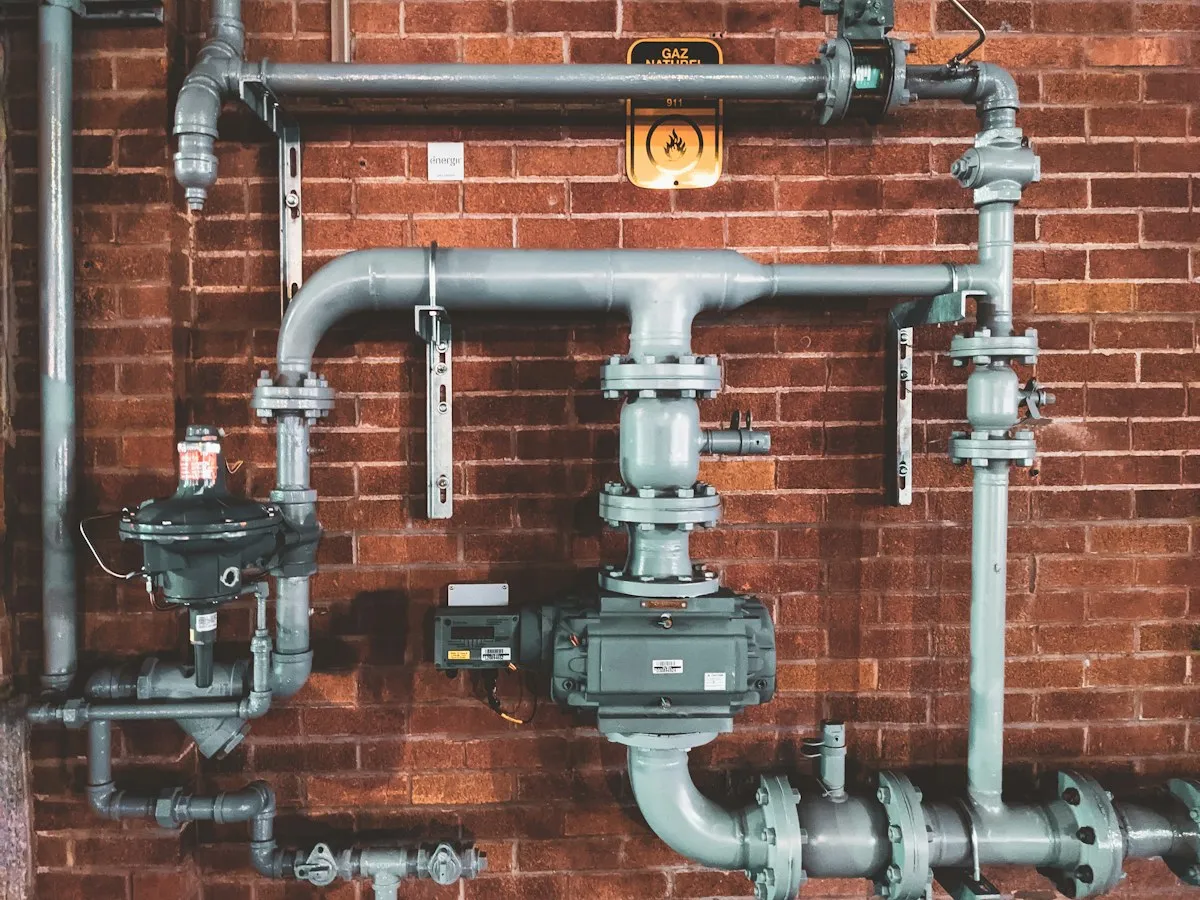
Do I need a separate license for gas lines? Some states require one. Check the authority where you will work before assuming a plumbing license covers gas piping.
Sources & verification
Sources checked October 20, 2026. Statistical reference dates are stated separately. Official application rules may change.